MoveWell Med Advances Community Rehabilitation Care Model in British Columbia
Canada - May 20, 2026 / Movewell Med /
For Immediate Release
Movewell Med Focuses on Convenient Rehabilitation Care for Local Communities
VANCOUVER, BC - May 18, 2026 - MoveWell Med is placing increased focus on the delivery of convenient rehabilitation care across local communities in British Columbia, reflecting broader changes in healthcare delivery models that prioritize accessibility, continuity, and patient-centered support. The initiative comes amid growing demand for services that accommodate individuals managing mobility limitations, injury recovery, and long-term physical conditions within their daily environments.
The organization’s approach reflects an evolving trend in physiotherapy and rehabilitation services, where access to care outside of traditional clinical settings is increasingly viewed as an important component of effective recovery. This shift is particularly relevant for individuals who experience transportation challenges, scheduling constraints, or physical barriers that may limit consistent attendance at in-clinic appointments.
A spokesperson for MoveWell Med stated that the emphasis on accessibility is intended to support more consistent rehabilitation experiences for patients who may otherwise face interruptions in care due to logistical or physical limitations.
Many rehabilitation providers across the region are observing similar patterns, as healthcare systems adapt to the needs of aging populations and individuals recovering from injury or managing chronic conditions. In this context, community-oriented rehabilitation care models are becoming more integrated into broader discussions about long-term health outcomes and preventive care strategies.
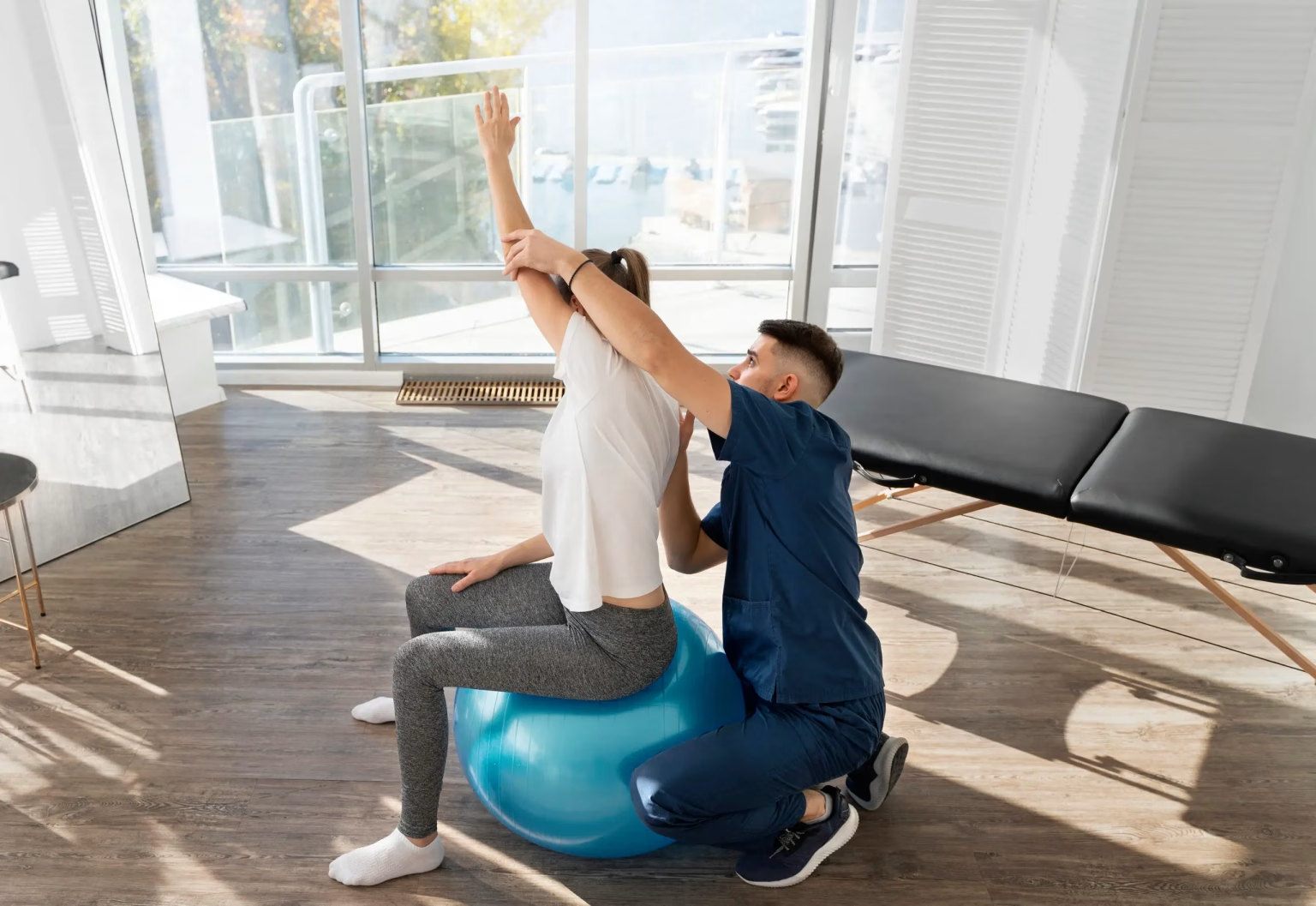
MoveWell Med and the Growing Emphasis on Accessible Community Rehabilitation Care
MoveWell Med is a rehabilitation-focused healthcare provider operating in British Columbia, delivering physiotherapy and movement-based recovery services to individuals across local communities. The organization functions within a healthcare environment where access to rehabilitation services is increasingly recognized as a key factor influencing recovery outcomes, particularly for individuals managing injuries, mobility limitations, or post-surgical conditions.
The organization’s service model reflects a broader shift in healthcare delivery toward approaches that reduce barriers to care. Traditional rehabilitation systems often rely on clinic-based attendance, which can present challenges for individuals with limited mobility, transportation difficulties, or scheduling constraints. Within this context, MoveWell Med operates as part of a broader effort within the healthcare sector to improve accessibility and continuity of care.
Its services are centered on physiotherapy and functional movement support, with an emphasis on restoring physical capability and improving long-term mobility outcomes. These services are structured to support individuals across different stages of recovery, including early intervention, rehabilitation, and ongoing maintenance of physical function.
This positioning reflects current healthcare discussions focused on improving access to rehabilitation services at the community level and addressing gaps that may exist within traditional care delivery systems.
Sector Trends Driving More Flexible Rehabilitation Delivery Models
The rehabilitation sector is experiencing a shift influenced by changes in patient needs and healthcare system pressures. Increasing demand for care that is more adaptable has highlighted limitations in traditional, facility-based rehabilitation models. Factors such as transportation barriers, time constraints, and reduced mobility have contributed to growing interest in alternative care delivery methods.
Healthcare providers are responding by adopting more flexible approaches that support continuity of rehabilitation care outside of conventional clinical environments. These approaches are designed to maintain treatment consistency while addressing practical challenges faced by patients in accessing services.
MoveWell Med operates within this broader healthcare context, reflecting a movement toward service delivery models that prioritize accessibility and adaptability. This shift is also supported by wider demographic and health trends, including an aging population and a rise in conditions requiring ongoing musculoskeletal care.
The emphasis on flexibility in rehabilitation delivery is increasingly viewed as a necessary component of effective healthcare systems. It supports sustained engagement in treatment programs and helps address disparities in access to physiotherapy and related services across different population groups.
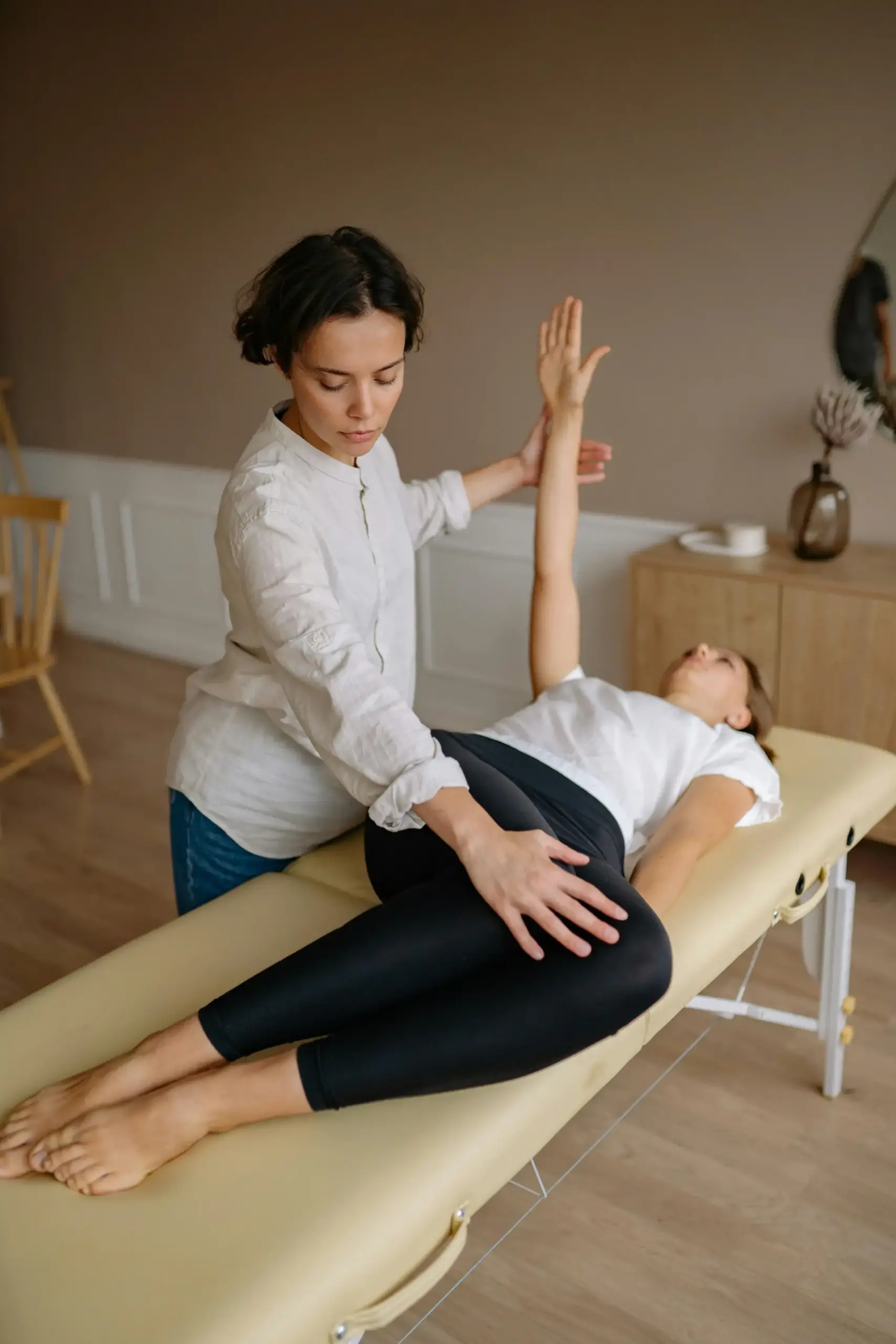
Community-Level Effects of Improved Rehabilitation Access
Access to rehabilitation services has direct implications for community health outcomes, particularly in areas where individuals may experience delays or limitations in receiving care. MoveWell Med’s services operate within this context by supporting access to physiotherapy and movement-based recovery care for individuals across local communities in British Columbia.
When rehabilitation services are not readily accessible, individuals may experience prolonged recovery times, increased discomfort, and reduced physical function. Limited access can also contribute to greater demand on broader healthcare systems over time. In contrast, improved access supports earlier intervention and more consistent participation in treatment programs.
Certain population groups, including older adults, individuals recovering from surgery, and those managing long-term physical conditions, are especially affected by accessibility challenges. These groups often require ongoing rehabilitation support to maintain mobility and independence in daily activities.
Within this framework, rehabilitation providers contribute to addressing service gaps by improving access pathways to care. This has broader implications for community wellbeing, as improved mobility and physical function support greater participation in social, occupational, and daily living activities.
Home-Based Rehabilitation as Part of Modern Care Delivery Models
Home-based rehabilitation has become a recognized component of physiotherapy services, particularly for individuals who face difficulty accessing traditional clinic settings. MoveWell Med incorporates this approach to support patients who may benefit from receiving care in residential environments.
Delivering rehabilitation in the home environment allows treatment to occur in a setting that reflects the patient’s daily living conditions. This can provide clinicians with additional context for understanding movement patterns and functional limitations. It also allows rehabilitation strategies to be adjusted based on real-world physical demands.
Home-based care reduces the need for travel, which can be a significant barrier for individuals with mobility restrictions or limited transportation options. It also supports continuity of care by enabling patients to maintain consistent participation in their rehabilitation programs.
Within the healthcare sector, this approach is associated with efforts to improve accessibility and reduce pressure on centralized clinical facilities. It reflects a broader recognition that rehabilitation services can be delivered effectively in a range of environments, provided that clinical standards and treatment structures are maintained.
Workplace-Oriented Rehabilitation and Functional Movement Support
Rehabilitation services that address workplace-related physical strain are an important part of modern physiotherapy practice. MoveWell Med provides support for individuals experiencing work-related injuries or movement limitations that affect their ability to perform occupational tasks.
Workplace rehabilitation focuses on restoring functional movement and addressing physical conditions that may arise from repetitive motion, prolonged static posture, or physically demanding job roles. These factors are common contributors to musculoskeletal discomfort and injury in both office-based and manual labor environments.
Care in this area may include movement assessments, ergonomic evaluations, and structured rehabilitation programs designed to support a safe return to work. The objective is to improve physical capacity while reducing the likelihood of further injury.
Workplace rehabilitation also contributes to maintaining workforce participation by supporting recovery in a structured and function-focused manner. It connects clinical rehabilitation principles with practical job-related physical demands, ensuring that recovery efforts are aligned with real-world activity requirements.

Individualized Rehabilitation Planning and Ongoing Care Adaptation
Rehabilitation care is increasingly structured around individualized treatment planning that reflects the specific needs and conditions of each patient. MoveWell Med applies an assessment-based approach to developing rehabilitation programs that address variations in physical condition, lifestyle, and recovery goals.
Each treatment plan is informed by clinical evaluation and functional assessment, which guides the selection of appropriate rehabilitation techniques. These may include movement training, strengthening exercises, and mobility-focused interventions tailored to the patient’s condition.
A key feature of this approach is ongoing adaptation throughout the recovery process. As patients progress, treatment plans are adjusted to reflect changes in physical ability and recovery status. This ensures that rehabilitation remains appropriate and aligned with current needs.
Personalized rehabilitation planning is widely recognized in the healthcare sector as an important factor in improving treatment consistency and supporting sustained recovery outcomes. It allows care to remain responsive rather than static, which is particularly important for individuals with long-term or complex rehabilitation needs.
This structured approach supports functional improvement over time and reinforces the role of rehabilitation in maintaining long-term physical independence.


Original Source: https://movewellmed.com/media-room/#/media-room
